
From Summer to Fall: How to Transition Your Home Without Redecorating
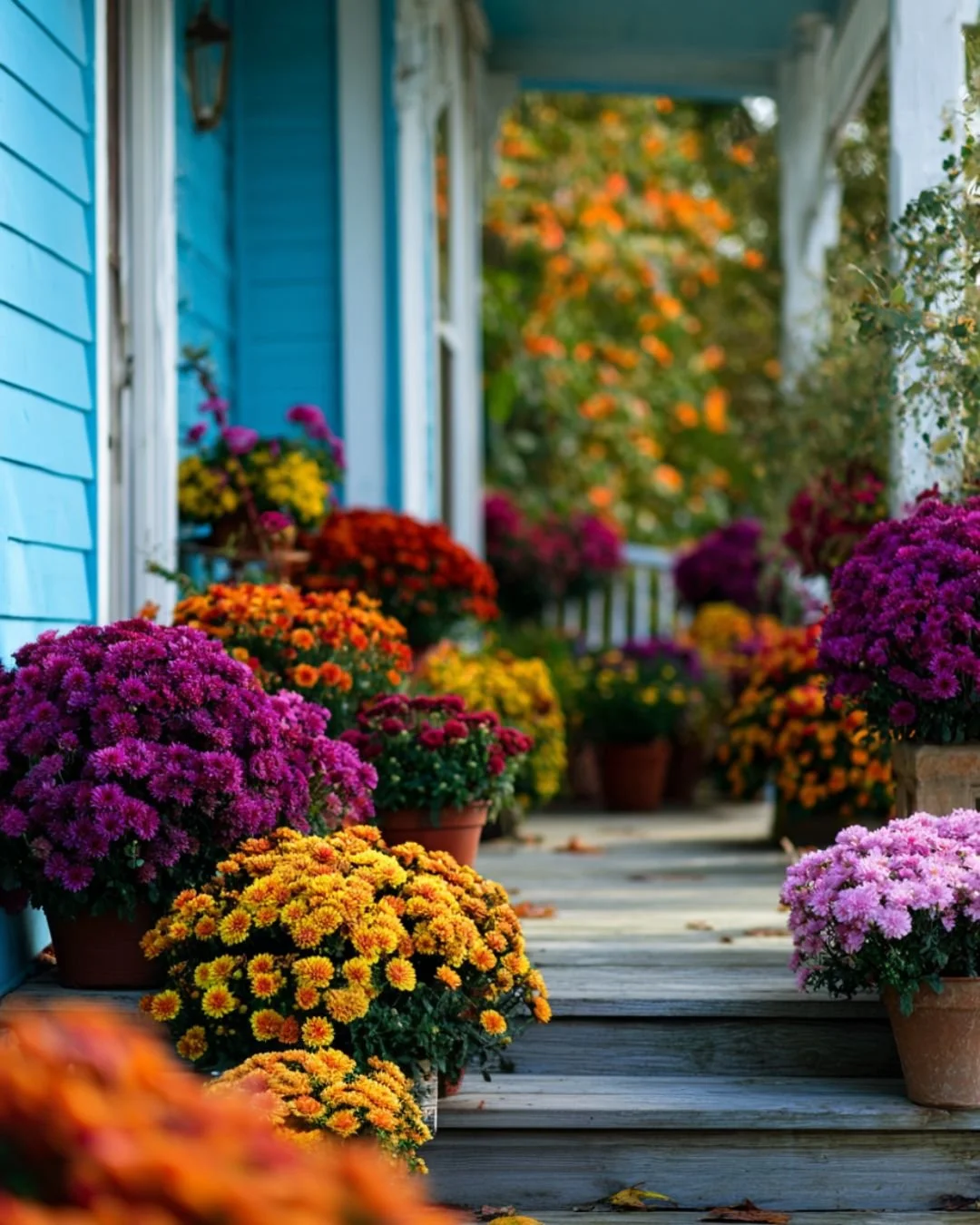
There is a particular moment at the end of summer when the light begins to change.
The days are still warm, the windows are still open, and summer has not quite left us. Yet the evenings arrive a little earlier, the air feels softer, and home starts to call us back inside.
This transition does not need a complete seasonal makeover.
In fact, some of the most beautiful changes are almost imperceptible. A different texture. A deeper shade. A lamp switched on before sunset. A branch brought in from outside. Small gestures can shift the atmosphere of a room without replacing the things you already love.
Here are a few simple ways to move your home gently from summer into fall.
Let the Colours Deepen
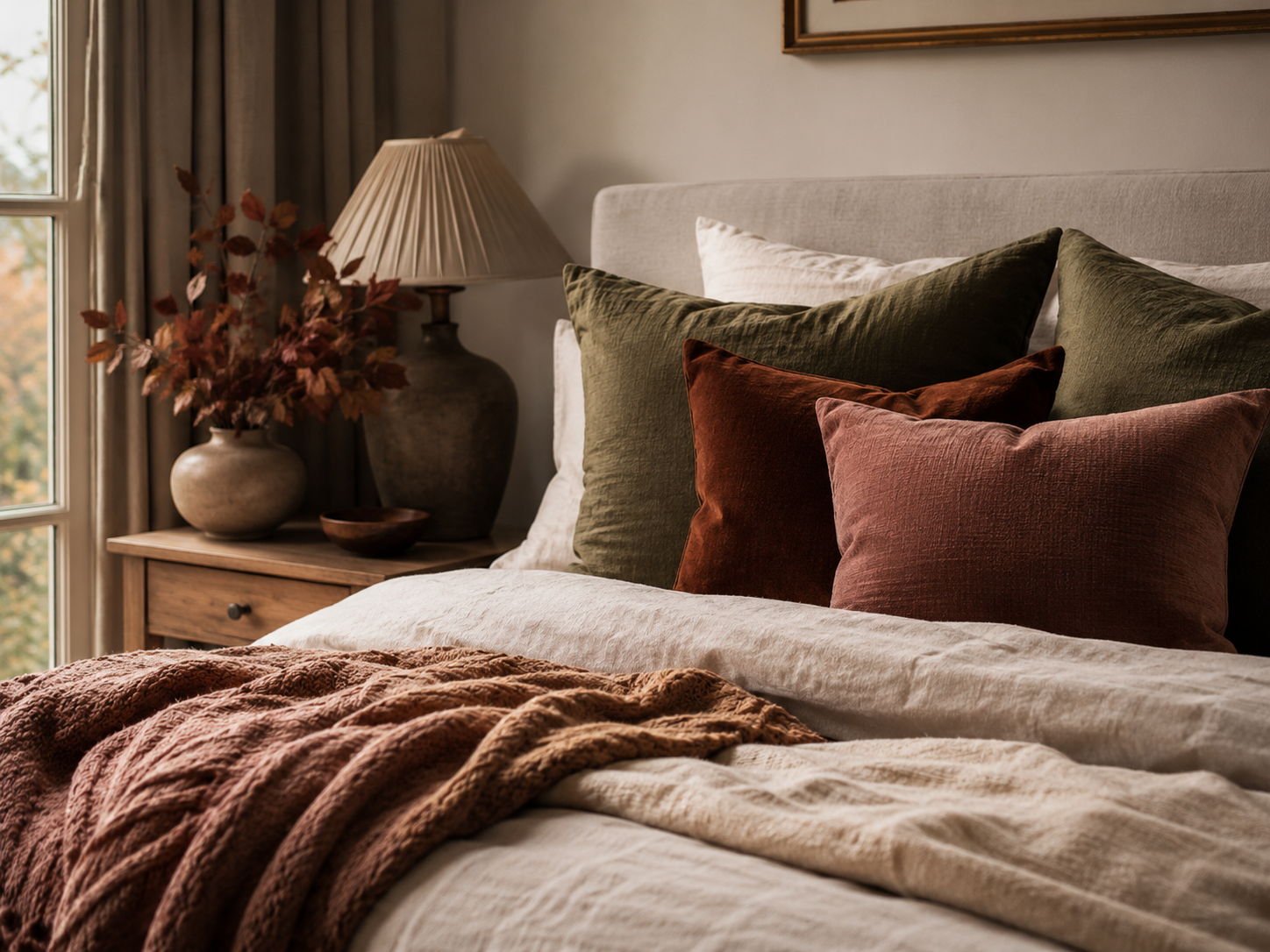
Summer interiors often feel light and open: whites, pale blues, fresh greens and sun-washed neutrals.
As fall approaches, you do not need to abandon that palette. Simply introduce a few deeper tones alongside it.
Think olive green beside soft cream, rust against warm beige, burgundy next to dusty pink, or deep blue paired with natural wood.
Even one darker colour can change the mood of a room.
A cushion, throw, vase, book or piece of art may be enough to create a subtle sense of season without making the space feel themed.
Add Texture Before You Add Décor
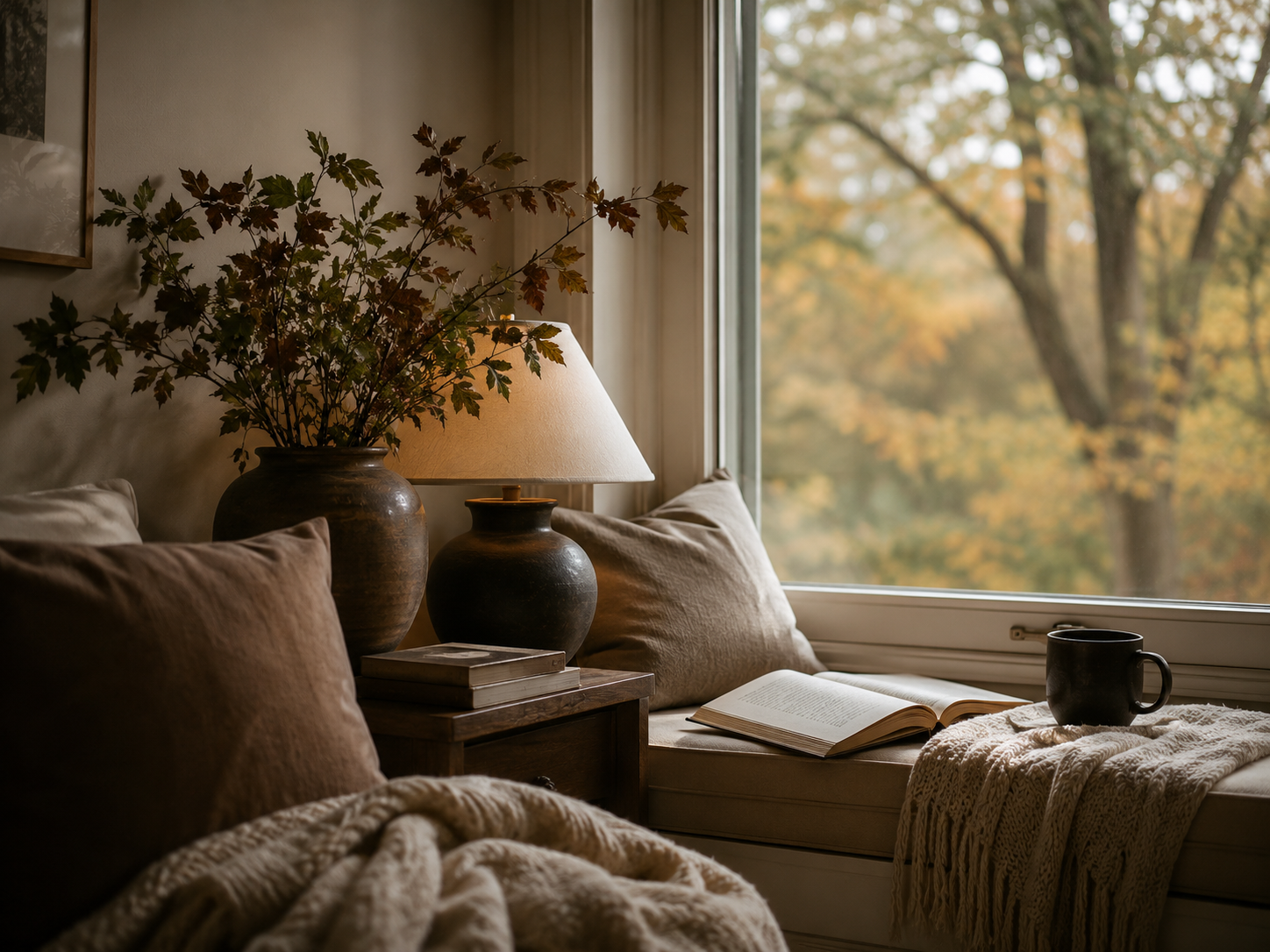
Fall is often associated with adding more objects, but texture can be far more effective.
Replace a lightweight cotton throw with something heavier. Add a wool or woven cushion. Bring in linen, boucle, velvet, brushed cotton or a textured rug.
The room immediately begins to feel warmer, even if almost nothing else changes.
This is especially useful in neutral interiors, where texture can create depth without introducing a lot of colour.
Bring Back the Lamps
In summer, natural light often does most of the work.
As the evenings become shorter, lighting begins to shape the atmosphere of the home again.
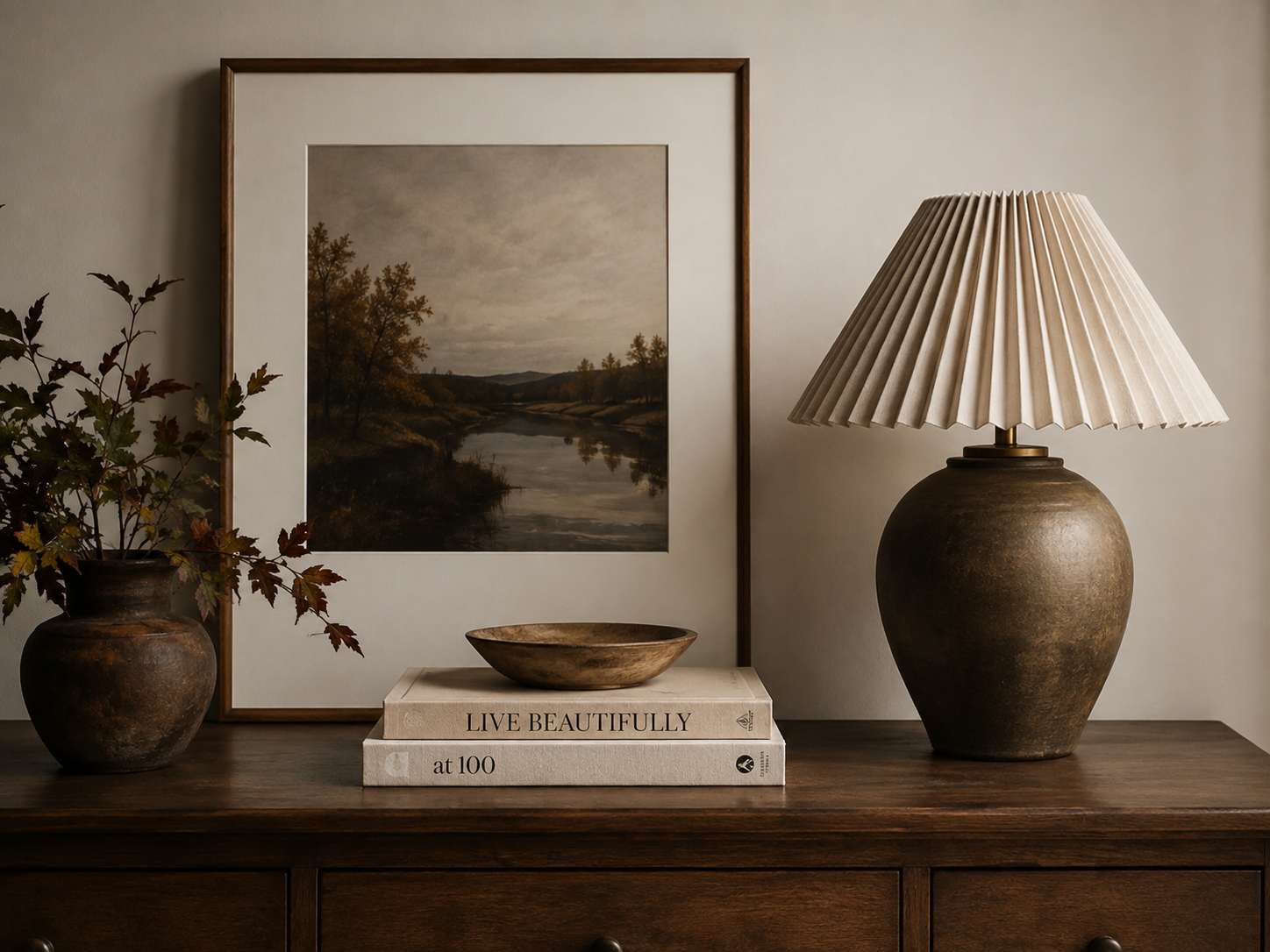
Instead of relying only on overhead lighting, bring attention back to table lamps, floor lamps and smaller pools of light.
A lamp glowing in a corner can make a room feel completely different.
The goal is not simply to make the space brighter, but to create layers of light: softer, lower and warmer.
Fall begins as much with lighting as it does with colour.
Look Outside for What to Bring In
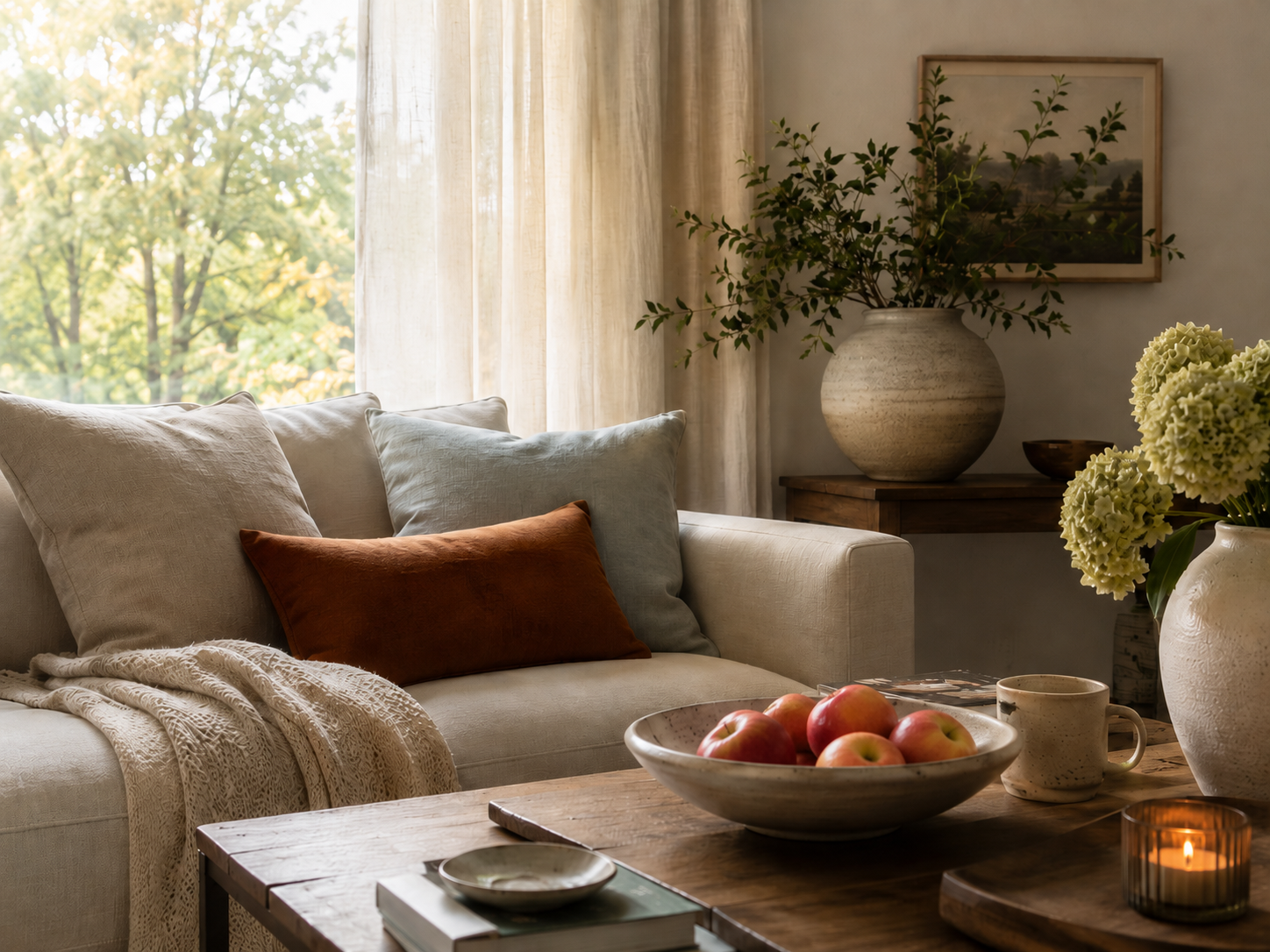
Seasonal decorating does not have to mean buying seasonal decorations.
Late summer and early fall already provide beautiful materials: branches, grasses, dried flowers, seed heads and changing leaves.
A single oversized branch in a simple vessel can feel more striking than a collection of small decorative objects.
It also creates a connection between the interior and what is happening outside.
Choose something natural, imperfect and slightly unexpected.
Let Wood Feel More Visible
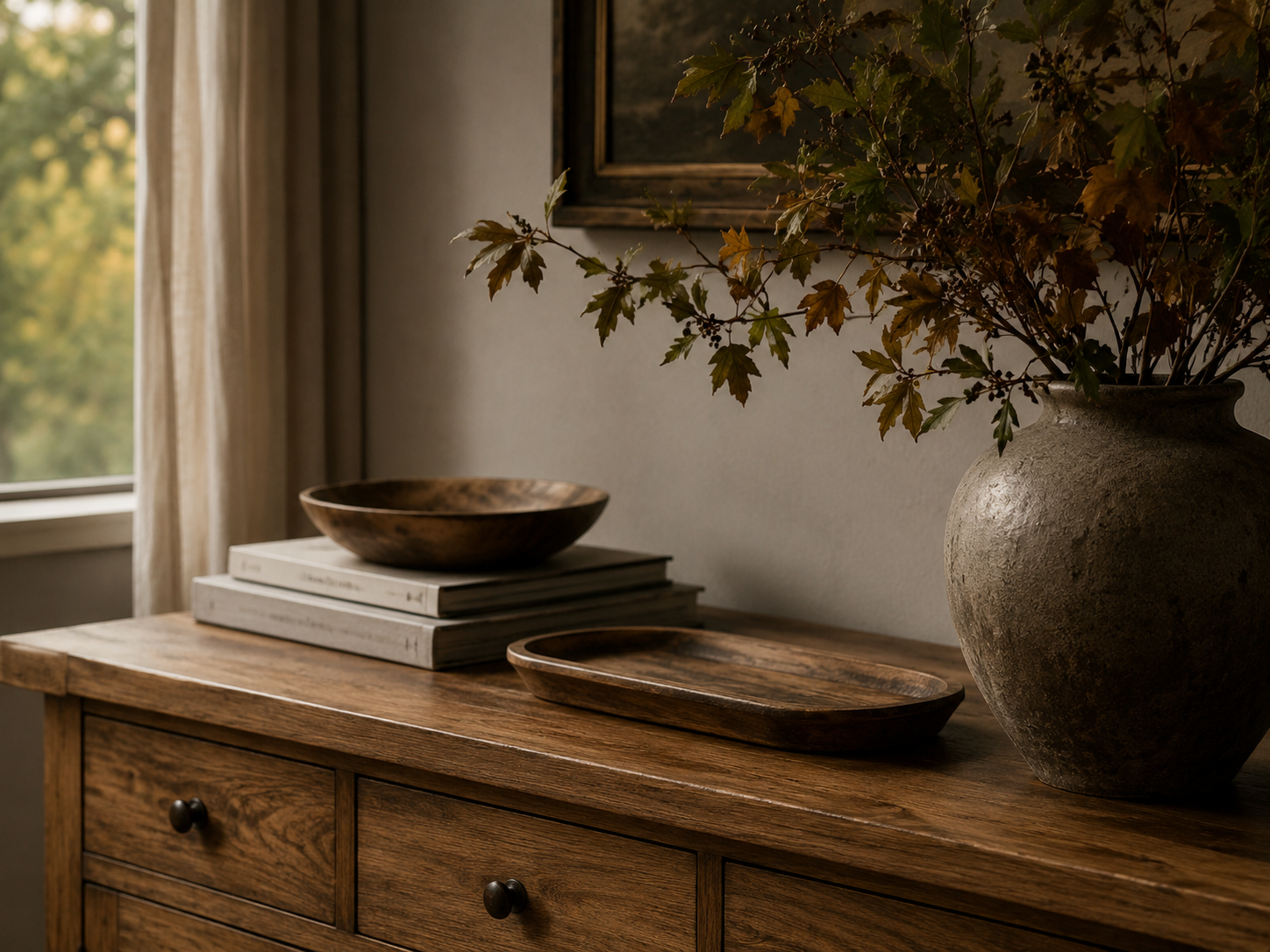
Natural wood brings warmth into a room almost instantly.
If your home already contains wooden furniture, consider allowing it to become more prominent as the season changes.
Clear a wooden table rather than covering it. Bring out a wooden bowl, tray or stool. Pair pale interiors with walnut, oak or darker finishes.
Wood works particularly well during this transition because it adds warmth without making a space feel heavy.
It also pairs beautifully with both the fading colours of summer and the richer tones of fall.
Change What You Notice, Not Everything You Own
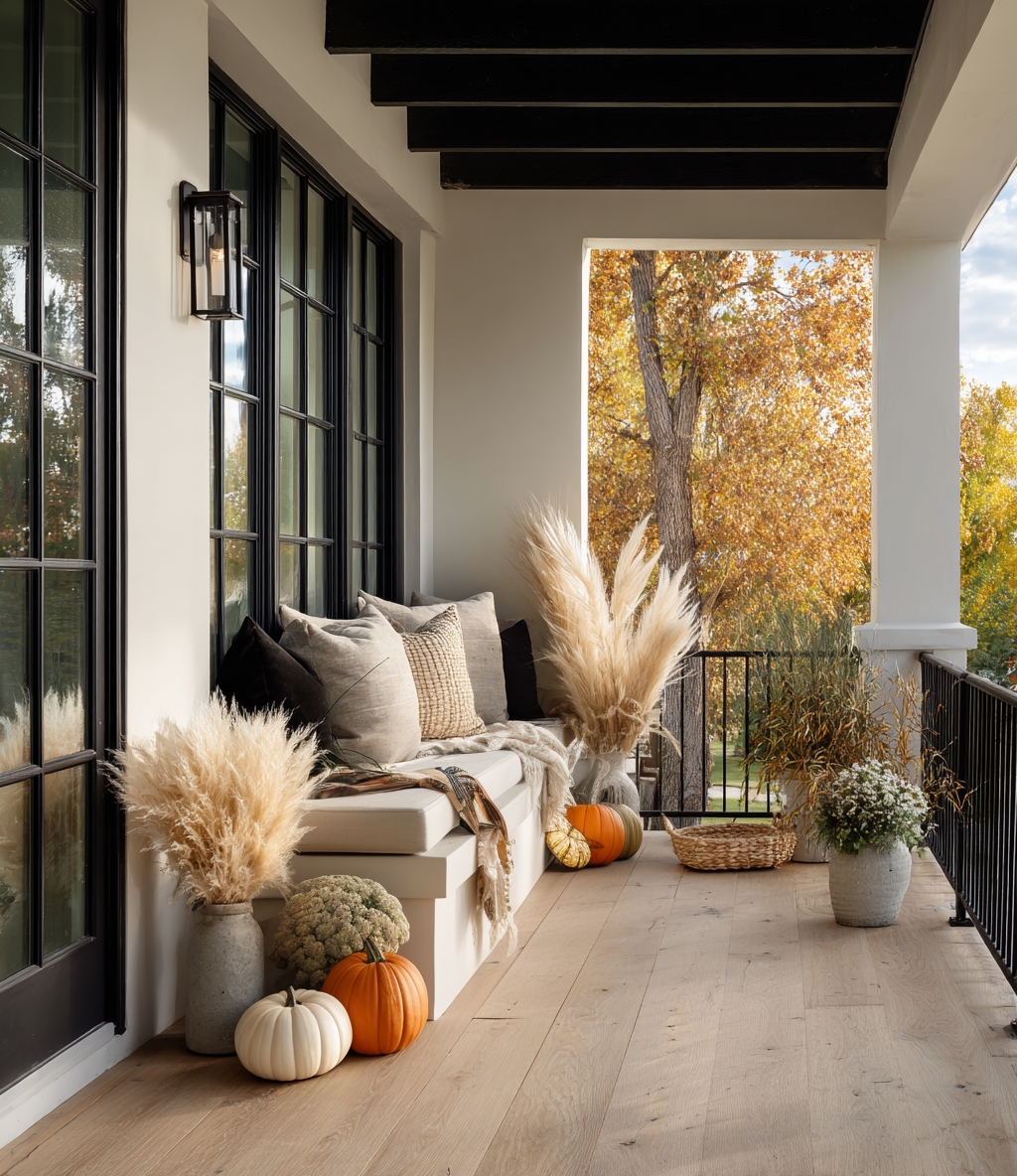
Sometimes a seasonal shift can happen simply by rearranging what is already there.
Move a chair closer to the window.
Place a stack of books beside the sofa.
Bring a favourite ceramic piece from another room.
Move artwork, rotate cushions, or simplify a surface that has become visually busy.
A familiar room can feel surprisingly new when the eye is given something different to notice.
Before buying anything, try moving things.
Make the Sofa Feel Like Somewhere to Stay
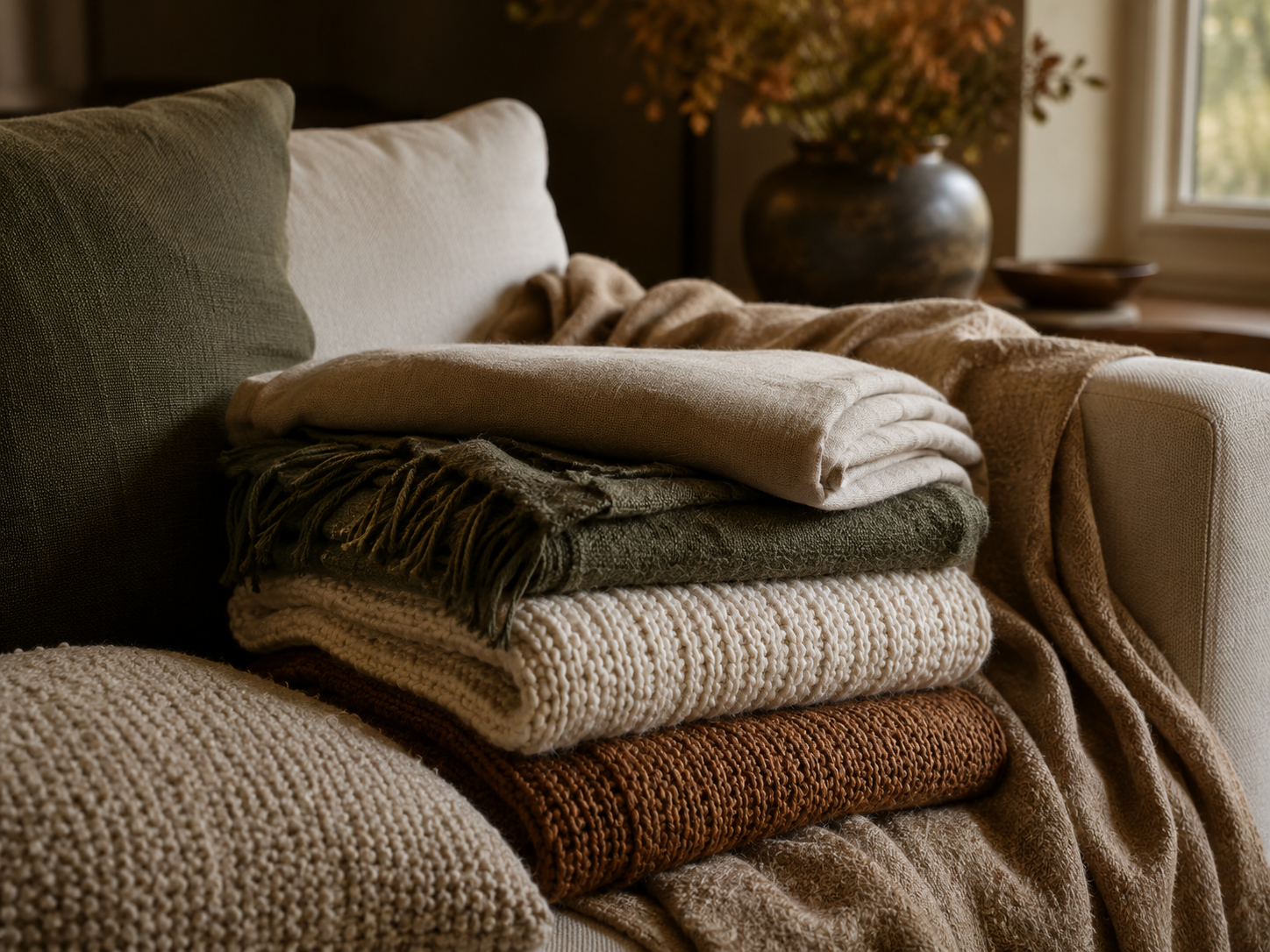
During summer, the living room can become almost secondary to patios, balconies, gardens and weekends away.
Fall changes that relationship.
The sofa becomes somewhere to read, talk, watch a film or spend a quiet evening.
A throw within reach, softer cushions and a nearby lamp can subtly transform it from simply a piece of furniture into a place you want to settle into.
Comfort does not have to mean excess.
Often it is simply about making a space feel ready for you.
Introduce One Seasonal Scent
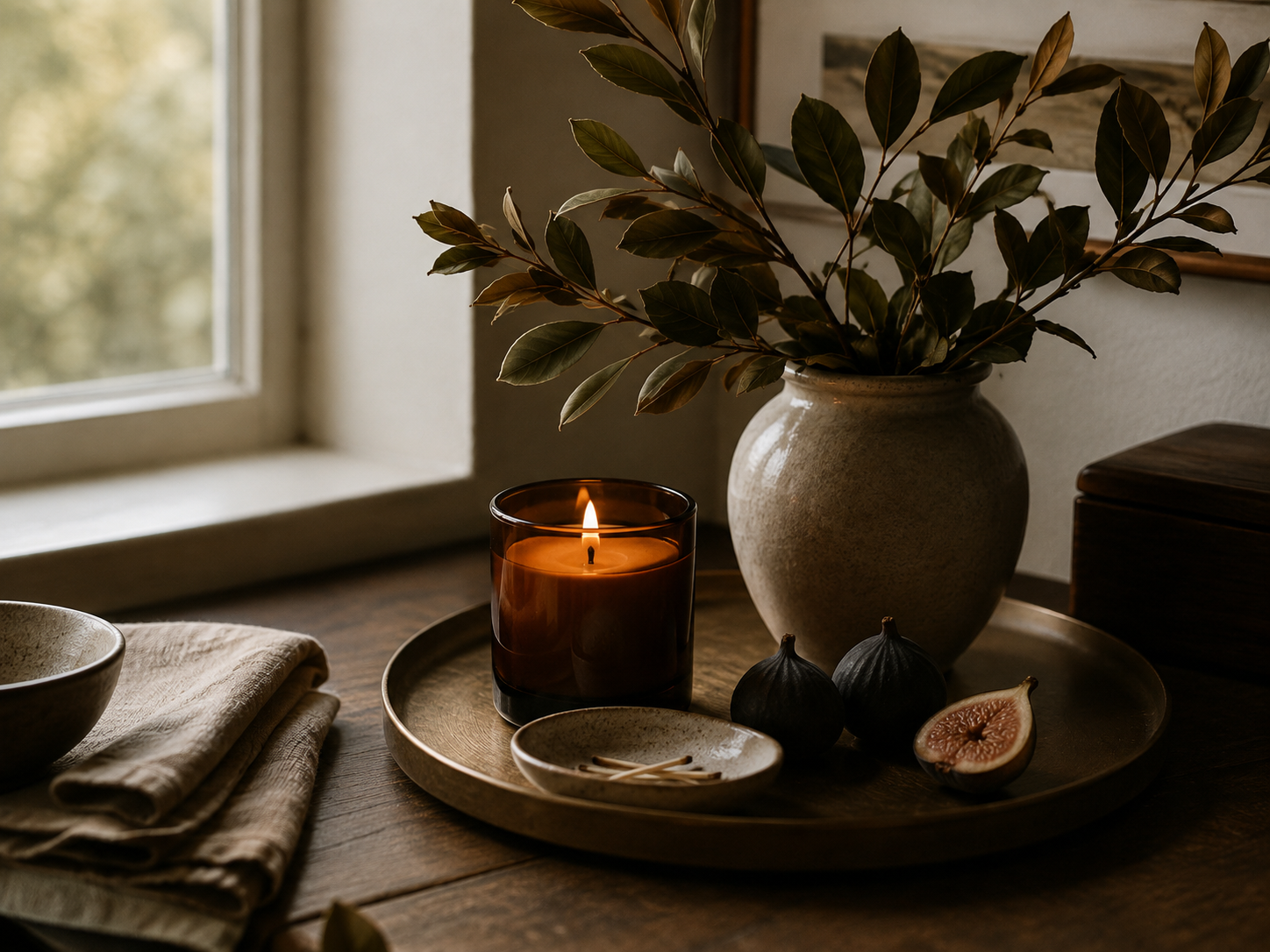
Atmosphere is not only visual.
Scent can change the feeling of a room almost instantly.
Instead of filling the house with obviously seasonal fragrances, choose something understated: cedar, fig, sandalwood, tea, amber or a subtle wood scent.
You can also create atmosphere naturally through cooking, fresh coffee, tea, herbs or branches brought indoors.
The best seasonal changes often feel discovered rather than staged.
Leave Some Summer Behind
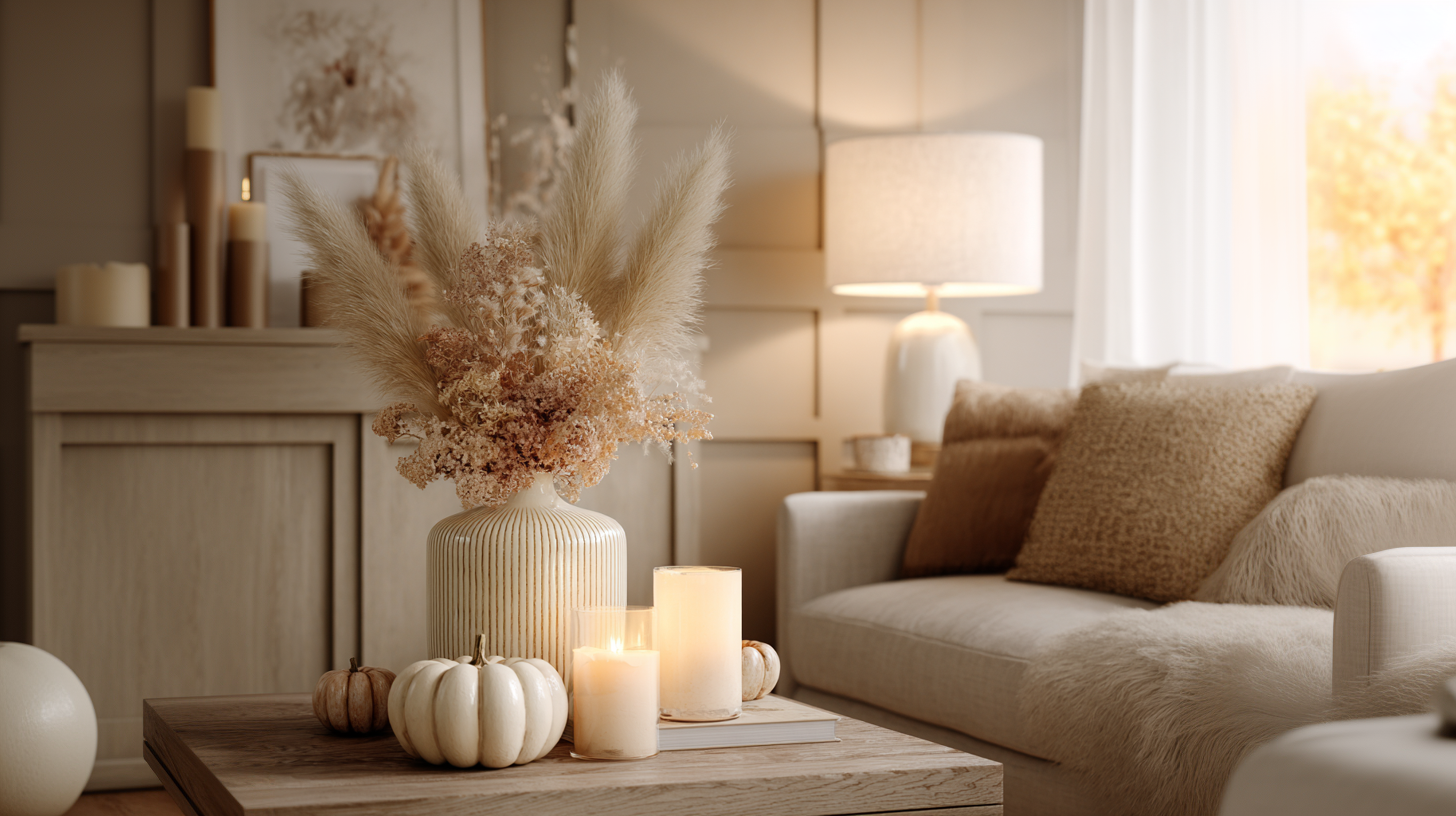
The transition into fall does not need to happen all at once.
Keep the linen curtains.
Keep the pale ceramics.
Keep the bowl of lemons on the kitchen counter if you still love it.
A home feels more interesting when seasons overlap slightly.
The pale blue cushion beside the rust-coloured throw. The summer photograph framed above a darker wooden console. Fresh greenery beside dried branches.
That tension between what is leaving and what is arriving is part of what makes this time of year so beautiful.
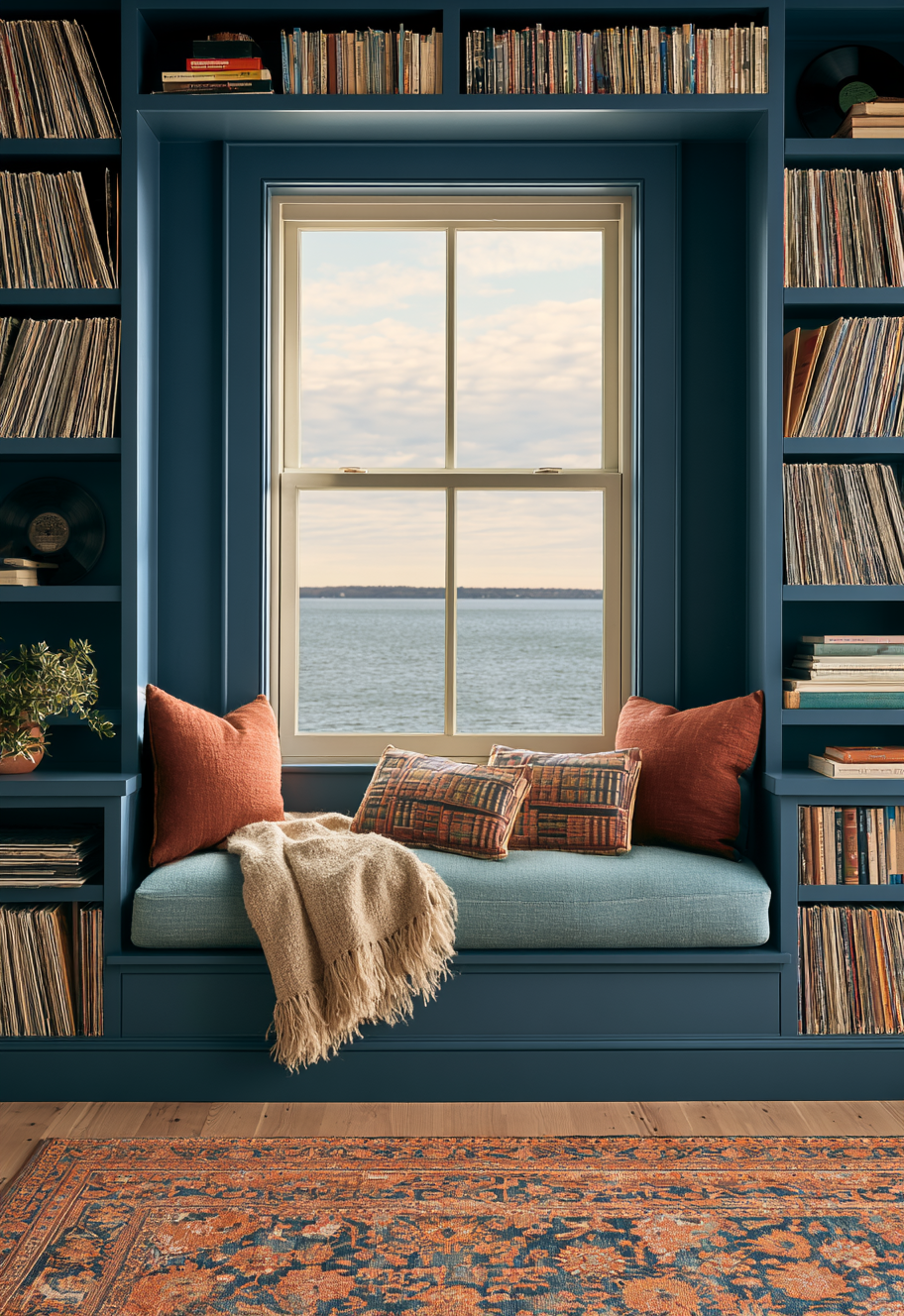
A Softer Kind of Seasonal Change
Perhaps the best way to prepare a home for fall is not to decorate it for fall at all.
Instead, respond to the way you want the space to feel.
Warmer.
Softer.
Quieter.
More inviting.
The transition can happen slowly, through light, texture, colour and small changes in the way you use your rooms.
No complete redesign. No seasonal shopping list.
Just a home gradually shifting with you as summer gives way to fall.
