
Top Decorating Trends to Transform Your Space in 2026
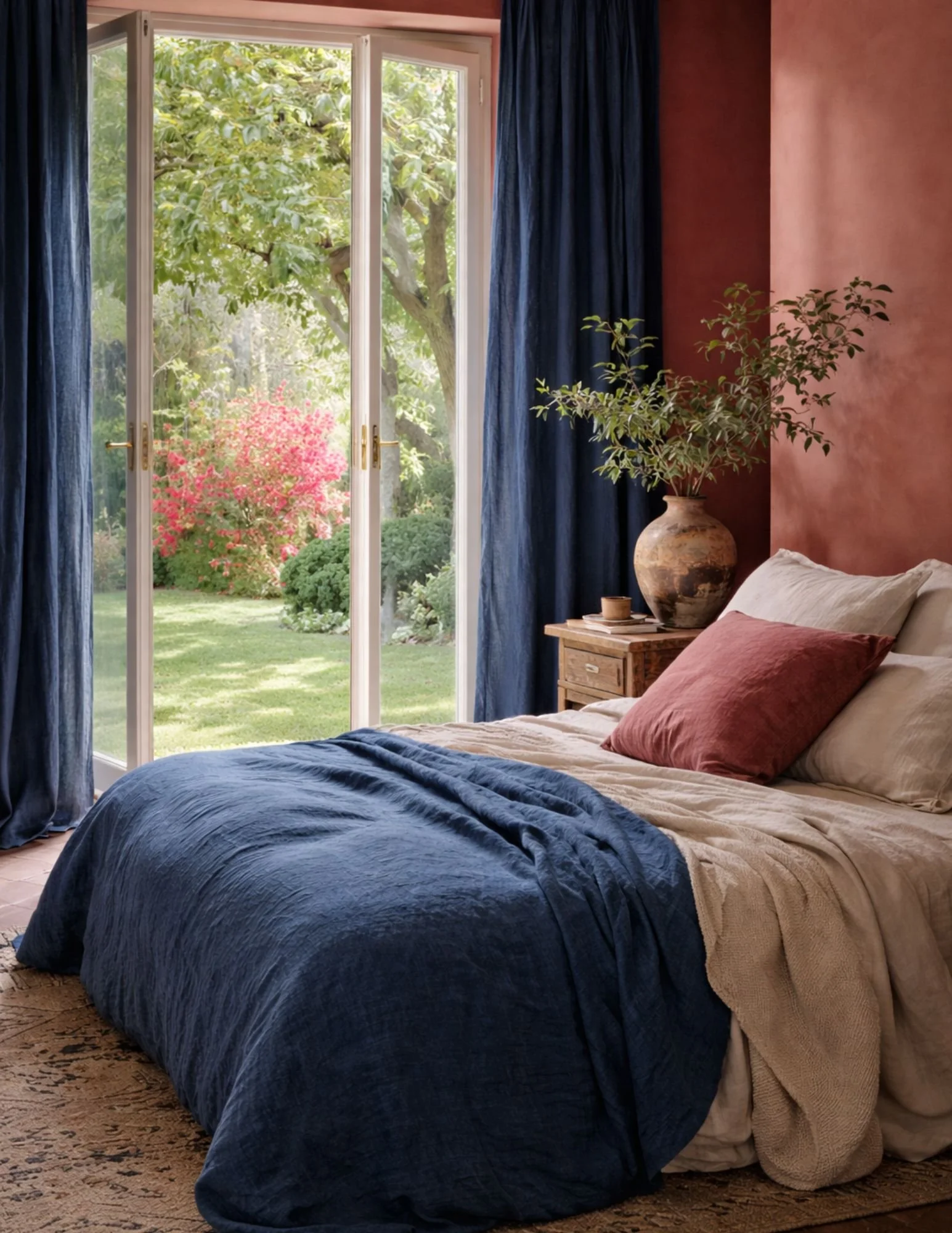
Spring Colours Inspiration
If you’re planning to refresh your home in 2026, the focus is shifting toward comfort, personality, and meaningful design choices. Interiors are no longer about strict minimalism or showroom perfection—instead, they reflect how people truly live. This year’s trends highlight warmth, layered textures, and spaces that feel curated rather than staged. Whether you’re redesigning a single room or your entire home, these trends will help you create a space that feels both modern and personal.
1. Warm Neutrals Take Over

Cool-toned greys and stark whites are gradually being replaced by warmer, more inviting shades. Colours like soft beige, creamy ivory, muted caramel, and terracotta are becoming staples in modern interiors. These tones create a sense of comfort and timelessness, making spaces feel more relaxed and welcoming. Warm neutrals also provide a versatile foundation, allowing you to easily layer in accent colours, textiles, and décor without overwhelming the space. Whether used on walls, furniture, or accessories, these hues help create a cohesive and soothing environment.
2. Nature-Inspired Interiors
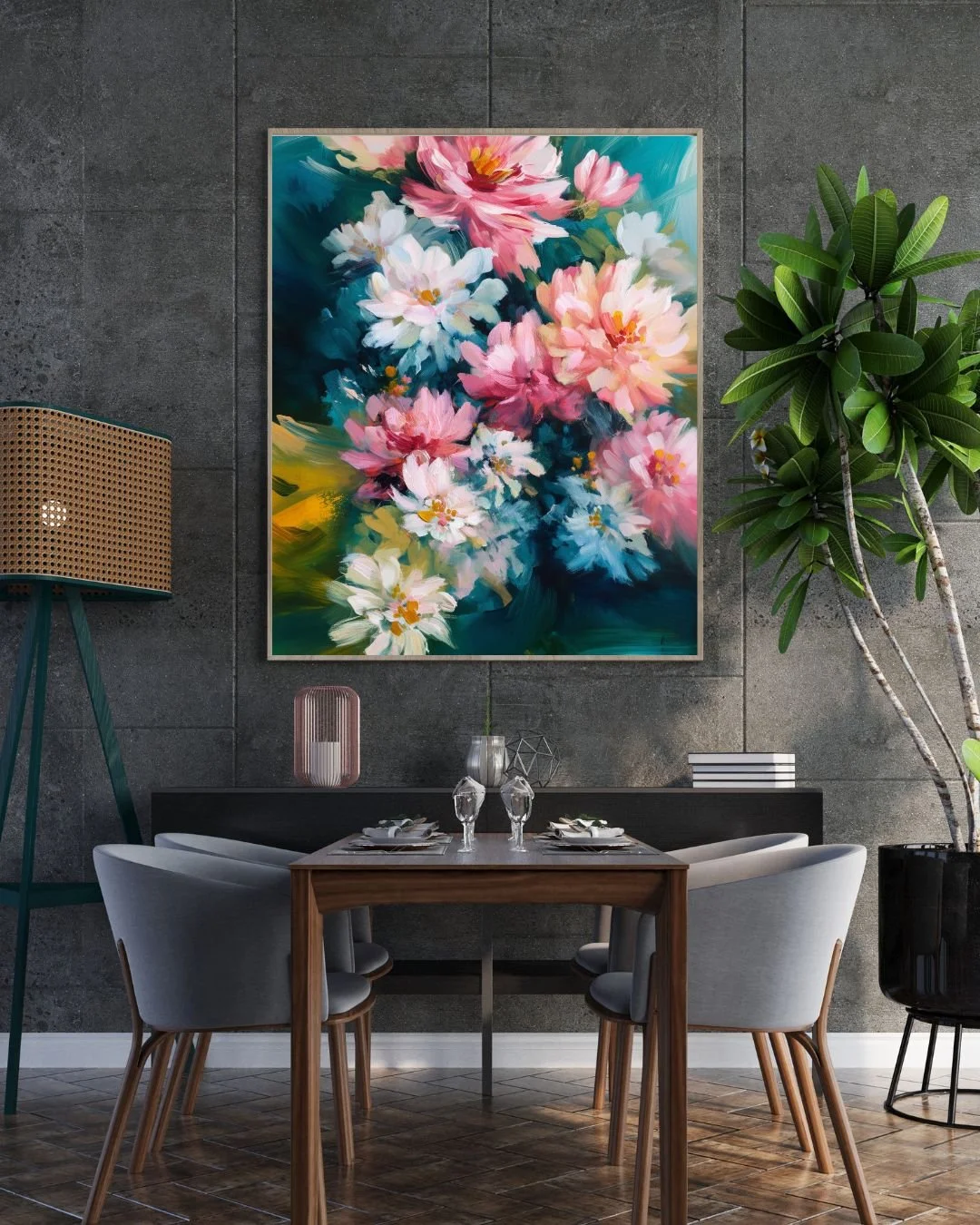
Nature continues to be a major source of inspiration in home design. Incorporating natural elements like wood, stone, clay, and linen brings an organic, grounded feel to interiors. Large windows, indoor plants, and earthy colour palettes further enhance this connection to the outdoors. Beyond aesthetics, this trend also supports well-being by creating calming spaces that promote relaxation. Even small touches—like a wooden coffee table or woven baskets—can make a significant difference in achieving this natural, balanced look.
3. Statement Lighting

Lighting has evolved into a key design feature rather than just a practical necessity. In 2026, bold and artistic lighting fixtures are taking centre stage. Oversized pendants, sculptural chandeliers, and uniquely shaped floor lamps are being used to add drama and personality to rooms. These pieces often act as conversation starters, drawing the eye and anchoring the space. Layered lighting—combining ambient, task, and accent lighting—is also becoming more popular, helping to create depth and flexibility in how a room is experienced throughout the day.
4. Textured Walls and Surfaces
Flat, plain walls are giving way to more tactile and visually interesting finishes. Techniques like wall paneling, limewash paint, plaster effects, and bold wallpapers are being used to add depth and character. These textures create subtle movement and interest without the need for excessive decoration. In living rooms and bedrooms especially, textured walls can serve as a backdrop that enhances the overall design. This trend allows homeowners to experiment with materials and finishes, adding a custom, high-end feel to their interiors.
5. Vintage and Retro Revival
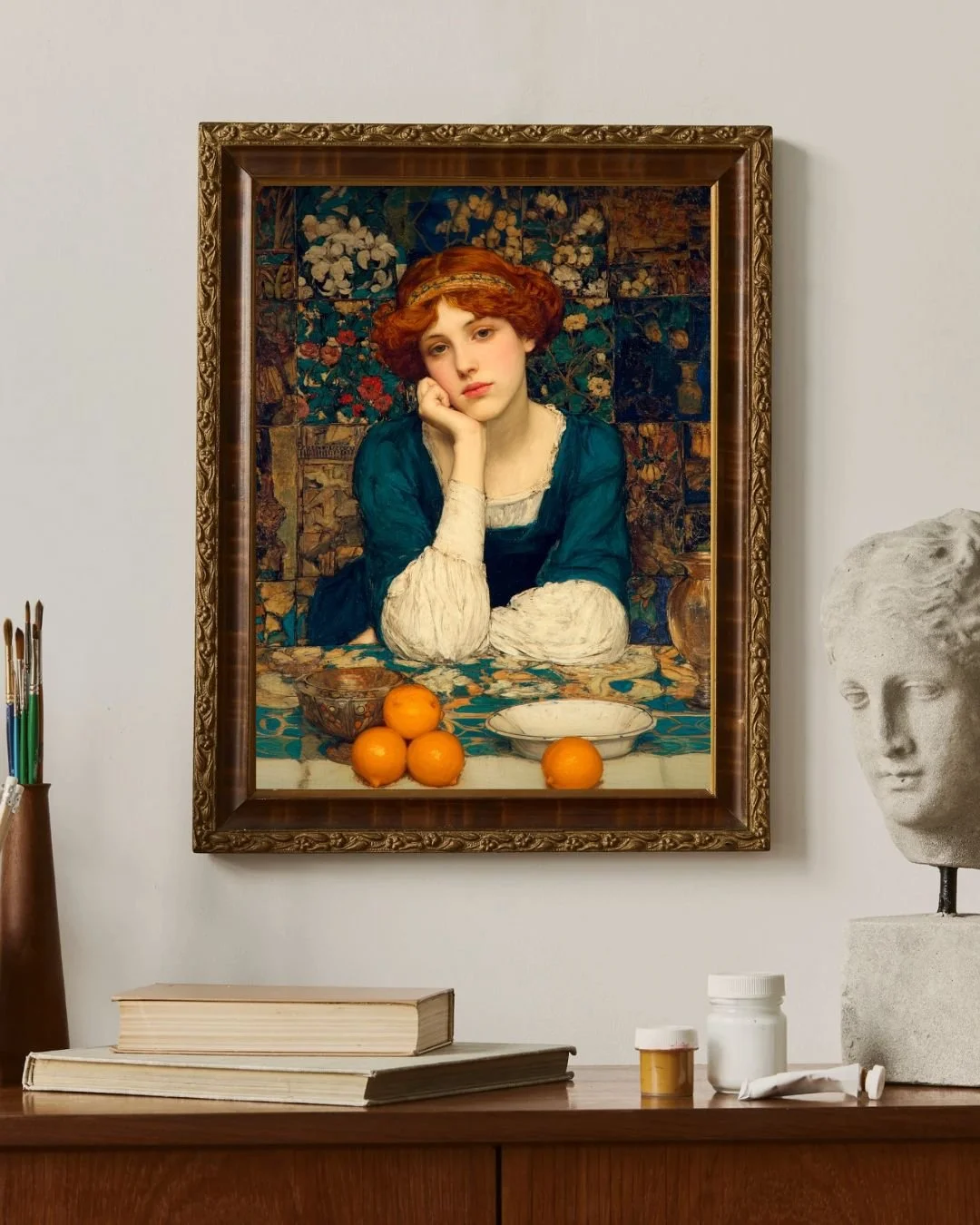
Blending vintage pieces with modern design is becoming increasingly popular as people look to create unique, meaningful spaces. Antique furniture, retro colour palettes, and thrifted décor items bring character and history into the home. Rather than matching everything perfectly, this trend embraces contrast and individuality. A mid-century chair paired with a contemporary sofa, for example, creates visual interest and tells a story. It’s also a sustainable approach, encouraging the reuse of quality pieces instead of buying everything new.
6. Multifunctional Spaces
As lifestyles continue to evolve, homes are expected to serve multiple purposes. Living rooms double as offices, bedrooms become workout spaces, and dining areas transform into workstations. This has led to a rise in multifunctional furniture and smart layouts. Pieces like foldable desks, storage ottomans, and extendable tables allow homeowners to maximize their space without sacrificing style. The goal is to create flexible environments that adapt to daily needs while still maintaining a cohesive and aesthetically pleasing design.
7. Bold Accent Pieces
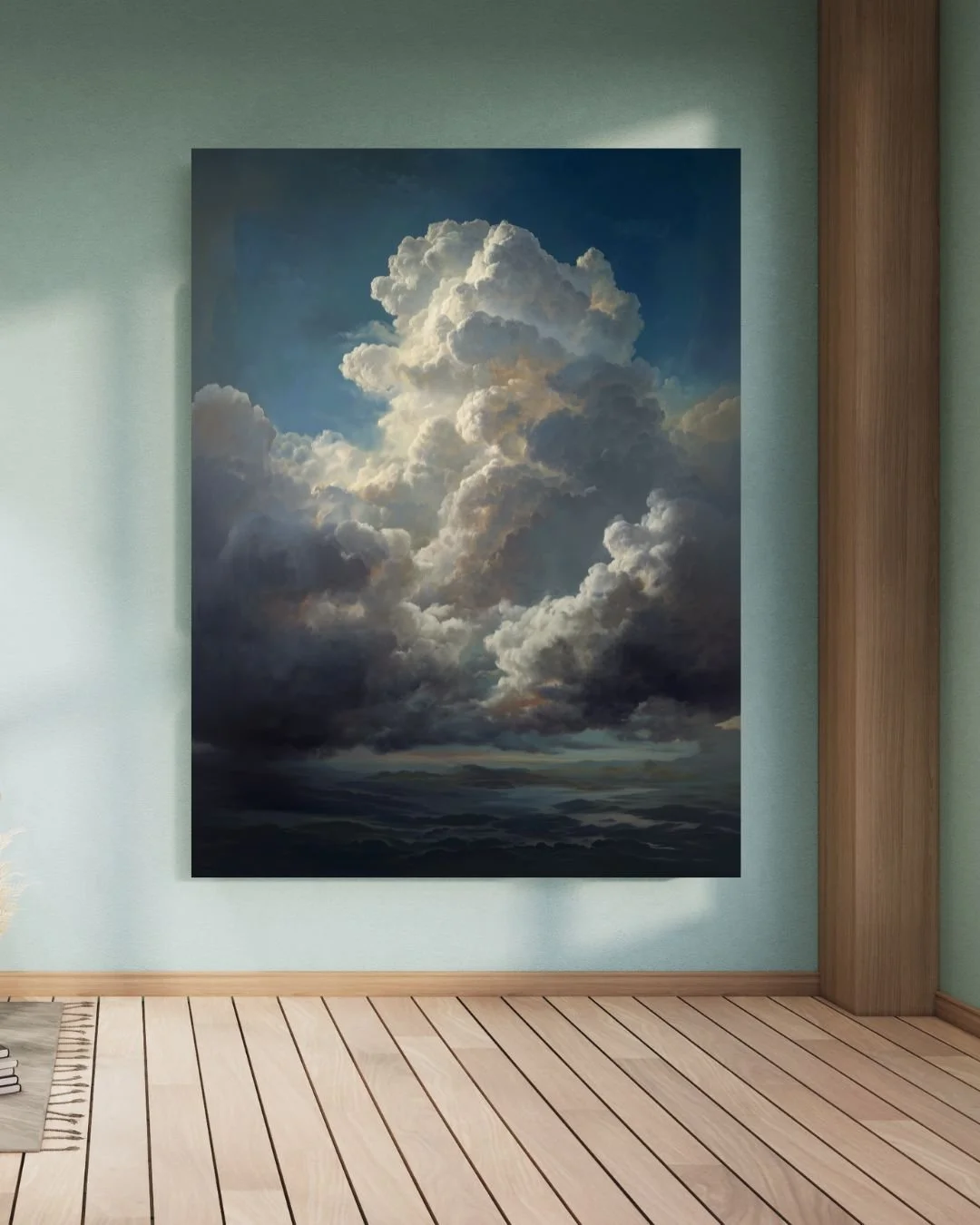
Instead of committing to bold colours or patterns throughout an entire room, designers are focusing on statement pieces to create impact. A vibrant sofa, an eye-catching rug, or a piece of oversized artwork can instantly elevate a space. These accents allow for creativity and personal expression without overwhelming the overall design. They also make it easier to update your space over time—simply swap out a few key pieces to refresh the look without a full redesign.
8. Sustainable Design Choices

Sustainability is no longer just a trend—it’s becoming a core principle in interior design. Homeowners are increasingly choosing eco-friendly materials, energy-efficient lighting, and furniture made from responsibly sourced or recycled materials. This shift reflects a growing awareness of environmental impact and a desire to make more conscious choices. Sustainable design doesn’t mean sacrificing style; in fact, it often results in more thoughtful, high-quality interiors that stand the test of time.
Final Thoughts
The decorating trends of 2026 are all about creating spaces that feel authentic, comfortable, and adaptable. By combining warm tones, natural elements, and personal touches, you can design a home that not only looks beautiful but also supports your lifestyle. Whether you embrace one trend or several, the key is to create a space that truly reflects who you are.
Home and Silence
